The reader’s companion
Put the book
to work.
Buy the Practice, Not the Problems
Your place for the worksheets that go with the reading. Get the full toolkit, or find the tool for the decision in front of you.
Free to access. No account, email, or book code needed.
Working edition · Updated September 17, 2026 · Book: Coming soon
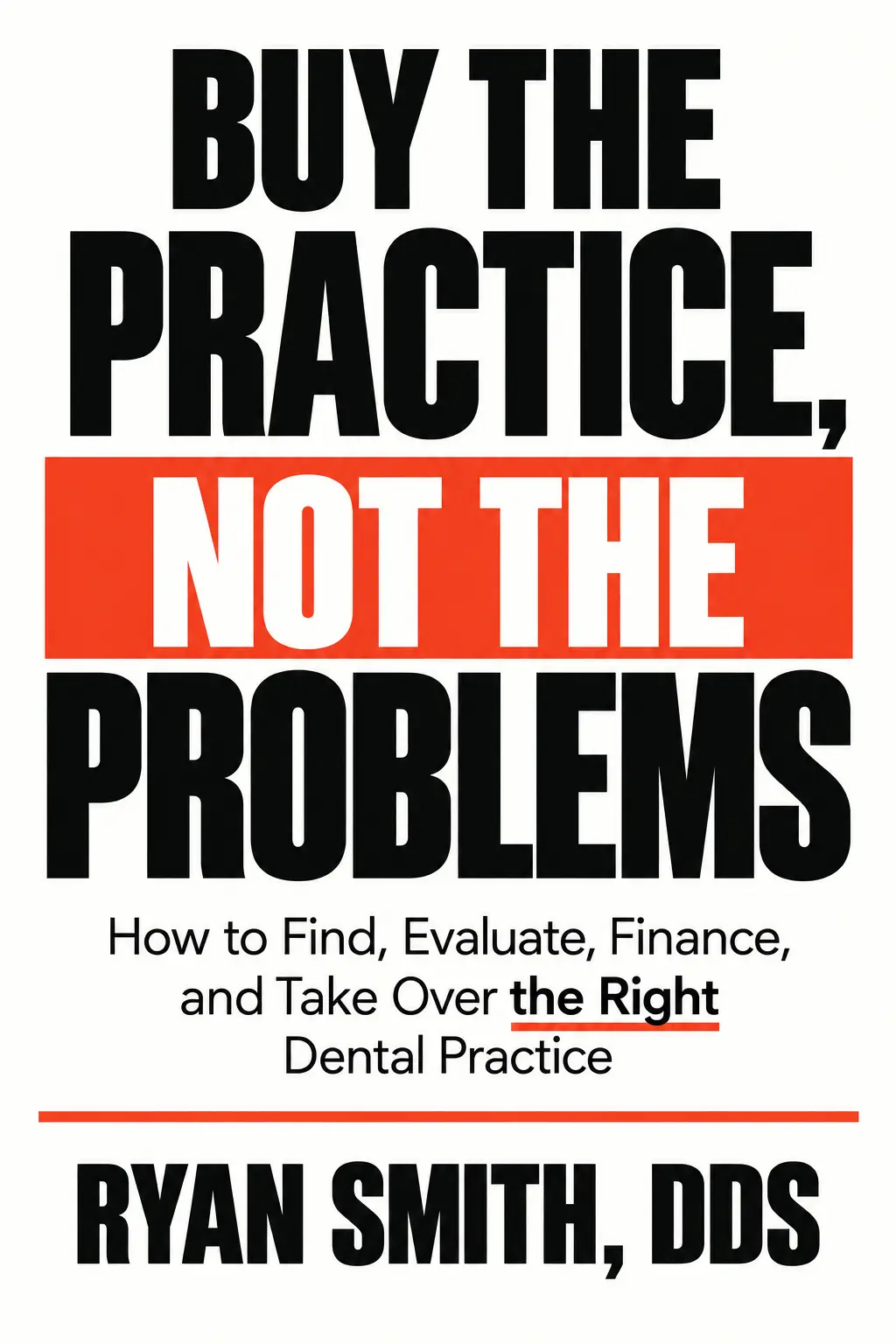
The companion tools from Appendix A, ready for your own working copy.
- Practical tools
- 16
- Printable pages
- 18
- Choose your format
- PDF + Word
Find your next tool
Where are you
in the purchase?
Start at the beginning, or jump to your stage. Each tool points back to the relevant chapters and its page in the complete PDF.
PDF links open in a new tab. If your viewer starts at the beginning, use the page number shown below.
01 / Prepare
Get clear before you search.
The ownership decision starts with your life, your finances, and the people who will help you buy.
Chapters 1 and 2
Buyer thesis
Define why you want to own, what you can operate, and the requirements that would make you walk away.
View in PDF · Page 2Chapter 3
Household and schedule agreement
Map the time, responsibilities, and household changes the purchase will require.
View in PDF · Page 3Chapter 4
Financial readiness
Separate accessible transaction cash from household reserves and existing obligations.
View in PDF · Page 4Chapter 5
Adviser responsibilities
Assign a clear scope, deliverable, and deadline to each person on your buying team.
View in PDF · Page 5
02 / Evaluate
Find the practice behind the listing.
Screen opportunities, test the numbers, and record what you need to see for yourself.
Chapters 6–10
Search and deal screen
Compare opportunities against your buying thesis and record the next evidence to request.
View in PDF · Page 6Chapters 11 and 33
Revenue evidence and transfer
Reconcile the historical collections, then document what can reasonably transfer to you.
View in PDF · Page 7Chapters 12 and 15
Buyer operating model
Build a monthly view of operating costs, clinical labor, debt, and available cash.
View in PDF · Page 8Chapters 13 and 15
Operating evidence and downside
Tie downside scenarios to specific findings and record the response each would require.
View in PDF · Page 9Chapter 16
Sources and uses
Balance purchase and transition funding, including when the money becomes available.
View in PDF · Page 10Chapters 16 and 50
Thirteen week cash forecast
Work through the Maple Street example, then use the blank weekly forecast to map your own receipts and payments.
View in PDF · Pages 11–12Chapters 17–25
Practice visit and clinical transfer
Record what you observe, what still needs verification, and the dentistry you can continue.
View in PDF · Page 13
03 / Offer & close
Turn open questions into clear decisions.
Compare the terms, track unresolved issues, and prepare the systems that need to work on day one.
Chapters 26–31 and 37
Offer and loan comparison
Compare price, obligations, loan terms, and exit conditions as one purchase decision.
View in PDF · Page 14Chapters 32–39
Diligence issue record
Track an issue from finding through evidence, remedy, responsibility, and resolution.
View in PDF · Page 15Chapters 21 and 42
Payer handoff record
Follow each payer handoff from application and effective date through the first reconciled deposit.
View in PDF · Page 16Chapters 40–44
Closing countdown and operating test
Work backward from the first clinical day and record proof that critical operating tasks are complete.
View in PDF · Page 17
04 / Take over
Keep learning after the keys arrive.
Carry the evidence into your first hundred days, with a repeatable weekly review.
Chapters 45–54
First hundred days and weekly review
Use day-one, 30-, 60-, and 100-day reviews to connect cash, team priorities, and your next change.
View in PDF · Page 18
Make it your working copy
Read. Record.
Return to the evidence.
Choose how you work
Print the PDF for handwritten notes, or download the Word file to type and add rows. Both contain the full toolkit.
Keep one copy per decision
Duplicate the relevant worksheet for another practice, issue, payer, or week. Keep the chapter beside you as you work.
Revisit what is still unresolved
Record the evidence, owner, and next review date. These are manual worksheets; they do not calculate automatically.
A few helpful details
Before you start.
Do I need a code or an account?
No. Anyone with this resource link can view the page and download the toolkit. No email address, purchase receipt, or course enrollment is required.
Which file should I download?
Choose the PDF to read or print the worksheets. Choose the Word file to type into your own copy, add rows, and duplicate pages. Both include all 16 tools. The PDF is a printable document, not a fillable form, and neither file calculates automatically.
Can I use the toolkit before the book is released?
Yes. These are the companion worksheets from the current manuscript. The working edition and chapter references may be updated as the book is finalized. Return to this page for the current files.
Where should I save my completed worksheets?
Keep your completed copies and supporting deal records in your own secure storage. This page does not collect or save your worksheet answers. Use document references instead of placing patient identifiers, bank credentials, or private employee information in shared copies.
Does this include the Practice Acquisition course?
The companion toolkit is separate from the forthcoming Practice Acquisition course. These downloads do not enroll you in the course or unlock course materials.
Keep it close
One toolkit. Your next step.
Bookmark this page for the current edition of the companion resources.
Working edition · September 17, 2026. Use these worksheets with the book and your advisers. Maple Street is a fictional teaching example; its figures are not benchmarks or terms for your purchase.
Companion resources by Ryan Smith, DDS · About the book · The Dental Grind newsletter